Gifting has never been easier
For just $2, we’ll send a digital message and a physical gift card.
Perfect if you’re short on time or miles apart. Simply enter your message, pick a date, and we’ll handle the delivery.


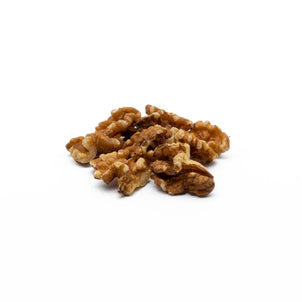
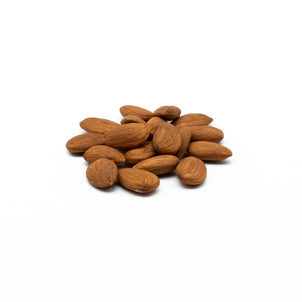
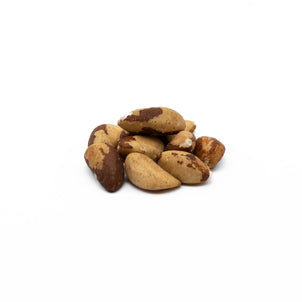
Nuts are a healthy, high-fat food in a fat-phobic world, but there’s no need to avoid all fats in your diet. Eating a variety of nuts will help provide the right balance of healthy fats in your daily eating plan. Healthy fats are monounsaturated or polyunsaturated fats which can help regulate blood cholesterol. Nuts high in monounsaturated fat include macadamias, hazelnuts, pecans, almonds, cashews and pistachios. Nuts high in polyunsaturated fat include walnuts, pine nuts and Brazil nuts.
Plant omega-3s are a type of polyunsaturated fat found in walnuts, pecans, hazelnuts and macadamias. These nuts are one of the few plant sources of omega-3s. This short chain omega-3, called alpha-linoleic acid (ALA), has strong heart health properties. Long chain omega-3s are mostly found in fish and seafood and are also required for heart health.
A meta-analysis combining the results of 25 nut and cholesterol-lowering studies found that around two handfuls of nuts (67g) on average each day significantly reduced total and LDL cholesterol by 5% and 7% respectively. This is supported by two other meta-analyses, which focused specifically on almonds and walnuts, that found that eating just a handful a day still significantly lowered total and LDL cholesterol.
A Traditional Mediterranean Diet (TMD), including 30g per day of nuts, has been shown to reduce LDL cholesterol oxidation when compared to a low-fat diet. Oxidation of LDL cholesterol is a key step in atherosclerosis – the blocking and hardening of arteries. Cholesterol oxidation-reduction is particularly effective through almonds, Brazil nuts and pistachios.
Studies have shown that eating nuts has anti-inflammatory effects. Antioxidants and other phytochemicals play an important role in reducing inflammation. Chronic inflammation is thought to cause many chronic diseases such as heart disease and diabetes.
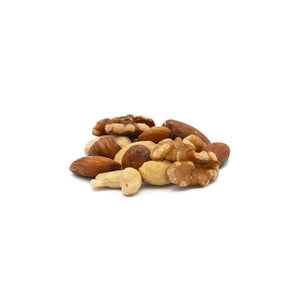
These are substances which can help to lower cholesterol levels in the blood by reducing cholesterol re-absorption in the intestines. Mixed nuts, in general, contain around 126mg plant sterols per 100g.
Nuts contain arginine, an amino acid building block of protein which is converted to nitric oxide in the body. Nitric oxide causes blood vessels to relax and remain elastic. Hardening of the arteries and blood clotting can lead to heart disease.
Folate is a B vitamin that helps reduce high levels of an amino acid called homocysteine, which is a risk factor for heart disease. Most tree nuts contain small amounts of folate as one of a number of heart-healthy nutrients.
All nuts contribute fibre to the diet. There are two types of fibre in foods: soluble and insoluble. Soluble fibre helps reduce blood cholesterol by reducing cholesterol reabsorption in the intestines, excreting it from the body. Insoluble fibre helps maintain a healthy bowel function. Nuts with skins, such as Almonds, Hazelnuts and Peanuts, are particularly high in fibre.
This information was provided by Nuts For Life. Images and Videos were provided by Nuts For Life.Nuts for Life For further information on nuts and health, refer to www.nutsforlife.com.au or phone 02 8295 2300
Contact us and we'll be more than happy to provide you with the information you require to make decision about nuts in your diet. Additionally, we recommend enquiring with your General Practitioner, particularly when dealing with the addition of nuts to diet when treating specific health problems.