Gifting has never been easier
We’ll send a digital message.
Perfect if you’re short on time or miles apart. Simply enter your message, pick a date, and we’ll handle the delivery.

If you've ever caught your dog eyeing your bowl of mixed nuts, you've probably wondered: Can dogs eat nuts? The answer isn't straightforward; some nuts are safe for dogs in moderation, while others can be dangerous or even toxic. Let's explore which nuts are safe, which to avoid, and how to keep your furry friend healthy.
While not all nuts are created equal when it comes to canine consumption, a few varieties can be safely shared with your dog in small amounts:
- Peanuts (Technically a Legume)
Plain, unsalted peanuts are generally safe for dogs and are actually a common ingredient in many dog treats. Peanut butter is a favourite among pet owners for hiding medication or as a training reward. However, always choose unsalted varieties and check that the peanut butter doesn't contain xylitol, an artificial sweetener that's highly toxic to dogs.
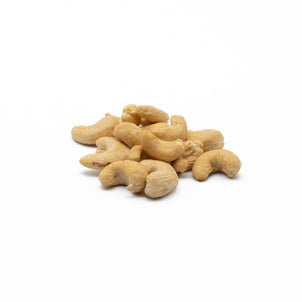
- Cashews
Cashews can be given to dogs in very small quantities as an occasional treat. They contain healthy fats, protein, and minerals like magnesium and zinc. However, cashews are high in fat, so moderation is key to avoid digestive upset or weight gain.
- Hazelnuts
Hazelnuts aren't toxic to dogs, but they're not ideal either. Their small size and round shape make them a choking hazard, especially for smaller breeds. If you do share hazelnuts, ensure they're chopped into tiny pieces and given sparingly.
Several types of nuts pose serious health risks to dogs and should be avoided entirely:
Several factors make certain nuts dangerous for our canine companions:
- High fat content: Many nuts are extremely high in fat, which can lead to pancreatitis, a painful and potentially life-threatening inflammation of the pancreas.
- Choking hazard: The size and shape of whole nuts can obstruct a dog's airway or digestive tract.
- Salt and seasonings: Salted or flavoured nuts can cause sodium toxicity or contain ingredients like garlic and onion powder, which are toxic to dogs.
- Mould and aflatoxins: Nuts can harbour moulds that produce aflatoxins, which are highly toxic to dogs and can cause liver damage.
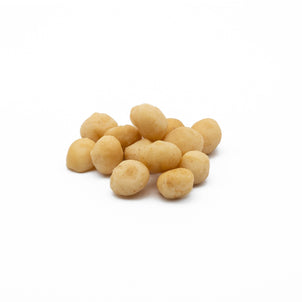
- Specific toxins: Some nuts, like macadamias, contain compounds that are specifically toxic to dogs.
While a few nuts like plain peanuts and small amounts of cashews are generally safe for dogs, most nuts should be avoided due to their high fat content, choking hazards, and potential toxicity. Macadamia nuts are particularly dangerous and should never be given to dogs.
If you want to treat your dog, stick to dog-specific treats or vet-approved human foods. When in doubt, always consult your veterinarian before introducing new foods to your dog's diet. Your furry friend's health and safety should always come first!
Remember: Even "safe" nuts should only be given in very small quantities as an occasional treat, not as a regular part of your dog's diet. And always ensure nuts are plain, unsalted, and free from any coatings or seasonings.